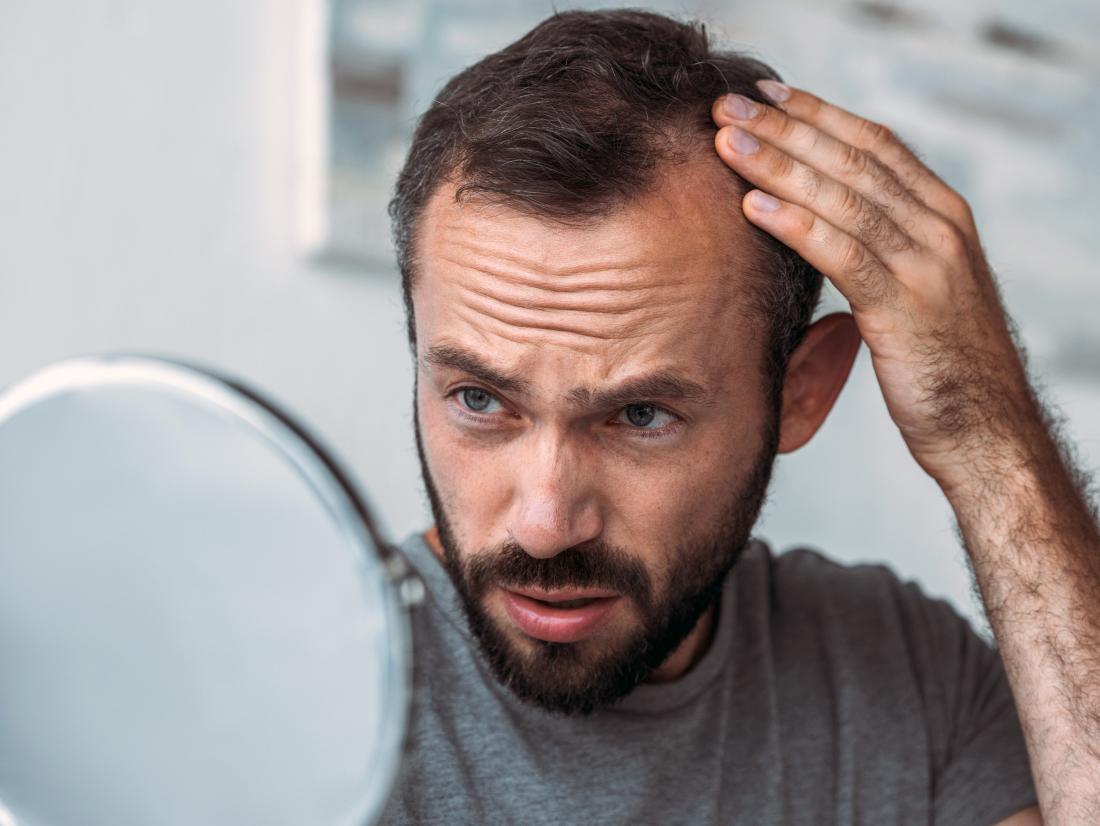
Thyroid And Hair Loss : Pin On Hair Loss Treatment. Signs your hair loss is from your thyroid: The hair loss is typically reversed after your thyroid hormone levels are normalized. Hair loss and thyroid disease severe and prolonged hypothyroidism and hyperthyroidism can cause loss of hair. Hair loss from thyroid conditions can vary in severity, from mild diffuse thinning to almost total loss of hair on your scalp. Too much thyroid hormone can cause hair thinning.
When the thyroid system becomes unbalanced, either going high or low, hair loss can result. Alopecia is related to thyroid issues like hashimoto's. Hair loss appears many months after the thyroid disease itself has taken hold, so watch for symptoms of thyroid disease like weight gain, fatigue, puffy face, constipation, joint or muscle aches, difficulty with cold temperatures/weather, less sweating, dry skin, heavy/irregular periods, and slowed heart rate. The hair becomes sparse and thin. Healthy hair growth depends on the proper functioning of the thyroid gland.
Hair Loss And Thyroid Disorders from www.belgraviacentre.com Thyroid problems include both an underactive thyroid gland (hypothyroidism) and an overactive thyroid gland. An underactive thyroid gland fails to produce enough hormones, known as hypothyroidism.; Given low ferritin is also a common problem for hypothyroid people, it is important to have iron testing including ferritin especially if you are experiencing hair loss. According to armani, thyroid hormones help regulate metabolism, heart rate, and your overall mood. Both these metabolic conditions are characterized by multiple symptoms such as weight loss, weight gain, irregular menstruation, dry skin, anxiety, and hair loss. An overactive thyroid gland secretes excessive hormones, known as hyperthyroidism.; Thyroid disorders and excessive thyroid supplementation can cause increased hair shedding, also known as telogen effluvium (te), explains dr. Hair loss is caused by many types of thyroid disorders, including hyperthyroidism and hypothyroidism.
Given low ferritin is also a common problem for hypothyroid people, it is important to have iron testing including ferritin especially if you are experiencing hair loss.
Research has found that t4 and, to a lesser extent, t3 regulate the growth phase of hair, and also suppress the death of hair follicles. Hair loss is caused by many types of thyroid disorders, including hyperthyroidism and hypothyroidism. Other autoimmune diseases such as lupus and untreated celiac disease may lead to hair loss. This article will discuss the link between thyroid. Hair loss is another sign that thyroid hormones may be out of balance. Hair loss from thyroid conditions can vary in severity, from mild diffuse thinning to almost total loss of hair on your scalp. Hair loss and thyroid are very much connected. Having autoimmune thyroid disease in particular also puts you at greater risk for alopecia areata —excessive and rapid hair loss in specific parts of the scalp that can advance to baldness and also affect other parts of the body, like the eyebrows. Hair loss is a possible symptom of hypothyroidism or hyperthyroidism. The thyroid hormone plays an essential role in the development and maintenance of the hair follicles. Thyroid disease is a common culprit among many medical conditions that cause hair loss. Hair starts growing at the root. The hair appears uniformly sparse.
While thyroid hair loss can be distressing, with proper treatment, your hair should experience regrowth. Thyroid disorders and excessive thyroid supplementation can cause increased hair shedding, also known as telogen effluvium (te), explains dr. Hair loss due to thyroid disease can be regrown after a successful thyroid disease treatment. An underactive thyroid gland fails to produce enough hormones, known as hypothyroidism.; Too much thyroid hormone can cause hair thinning.
Thyroid And Hair Loss Symptoms Treatment And Outlook from cdn-prod.medicalnewstoday.com Unusual levels of thyroid hormone produced by this gland can result in hair loss and other side effects if left untreated. Both hypothyroidism and hyperthyroidism can cause hair to fall out. Given low ferritin is also a common problem for hypothyroid people, it is important to have iron testing including ferritin especially if you are experiencing hair loss. Initially, a thyroid disease can cause dry hair that slowly presents with thinning and coarseness. Hair loss is a common symptom of both thyroid disorders. Hair loss is caused by many types of thyroid disorders, including hyperthyroidism and hypothyroidism. Thyroid disease is a common culprit among many medical conditions that cause hair loss. Thyroid problems include both an underactive thyroid gland (hypothyroidism) and an overactive thyroid gland.
Hair loss and thyroid disease severe and prolonged hypothyroidism and hyperthyroidism can cause loss of hair.
Hair loss due to thyroid disease is common and generally, when this disease is severe or drastic, it can cause hair loss. There is a connection between the thyroid and hair loss, as thyroid hormones are crucial for helping your hair follicles stimulate hair growth. Unusual levels of thyroid hormone produced by this gland can result in hair loss and other side effects if left untreated. In most cases, the hair will grow back once the thyroid. Other autoimmune diseases such as lupus and untreated celiac disease may lead to hair loss. Alopecia or loss of hair is a common thyroid disorder related symptom that affects both men and women. Hair loss is a possible symptom of hypothyroidism or hyperthyroidism. Signs your hair loss is from your thyroid: The hair becomes sparse and thin. Alopecia is an autoimmune disease that can cause hair loss in round patches on the head and other parts of the body. But this may take some time. And under stress there can be big changes in the adrenal hormones. Given low ferritin is also a common problem for hypothyroid people, it is important to have iron testing including ferritin especially if you are experiencing hair loss.
Understanding how these conditions cause hair loss involves understanding how hair grows. Hair loss is a common symptom of both thyroid disorders. Hair loss and thyroid are very much connected. Alopecia is an autoimmune disease that can cause hair loss in round patches on the head and other parts of the body. When thyroid disease goes untreated for years, it can lead to a dangerously slow (or fast) heartbeat, an injury that refuses to heal, or unrelenting pain.
Is There A Link Between Thyroid And Hair Loss Frizztips Com from frizztips.com The mechanism behind hair loss in these medications is less understood than other medications but is likely due to a reaction to the ingredients and due to the amount of t3 in these medications. It is not enough to be told by your doctor that your iron levels are 'normal'. In most cases, the hair will grow back once the thyroid. It also affects the rate at which the body uses oxygen and energy, which can also affect hair and. Common thyroid conditions such as hashimoto's thyroiditis and graves' disease are autoimmune disorders, which can sometimes result in hair loss. Hair loss is another sign that thyroid hormones may be out of balance. Low ferritin (the stored form of iron) is one of the most common causes of hair loss in women. Hair loss is a possible symptom of hypothyroidism or hyperthyroidism.
Alopecia is related to thyroid issues like hashimoto's.
Thyroid problems include both an underactive thyroid gland (hypothyroidism) and an overactive thyroid gland. Hair loss is a possible symptom of hypothyroidism or hyperthyroidism. The hair loss is typically reversed after your thyroid hormone levels are normalized. The hair appears uniformly sparse. The loss is diffuse and involves the entire scalp rather than discrete areas. But this may take some time. Iron deficiency is the primary cause of hair loss in premenopausal women and is often the reason women with hashimoto's continue to lose hair despite taking thyroid medications. Hair starts growing at the root. Healthy hair growth depends on the proper functioning of the thyroid gland. Thyroid disorders and excessive thyroid supplementation can cause increased hair shedding, also known as telogen effluvium (te), explains dr. Hair loss from thyroid conditions can vary in severity, from mild diffuse thinning to almost total loss of hair on your scalp. Patients with hypothyroidism or hyperthyroidism notice a gradual thinning of their hair rather than localized bald spots or missing patches. Common thyroid conditions such as hashimoto's thyroiditis and graves' disease are autoimmune disorders, which can sometimes result in hair loss.